Wabi Sabi Home Decor Ideas for a Quiet Space
Wabi sabi interiors are often described as simple, natural, and imperfect. That is true, but it can also make the style sound easier than it is.
A convincing wabi sabi room is not created by buying a rough ceramic vase, choosing beige furniture, and leaving a few walls empty. The atmosphere comes from a different way of editing a home: keeping materials that age well, allowing irregularity to remain visible, choosing fewer objects with more presence, and resisting the urge to polish every surface into sameness.
The result can feel calm without becoming sterile, warm without becoming cluttered, and minimal without looking unfinished. Wabi sabi home decor works because it gives a room permission to show time.
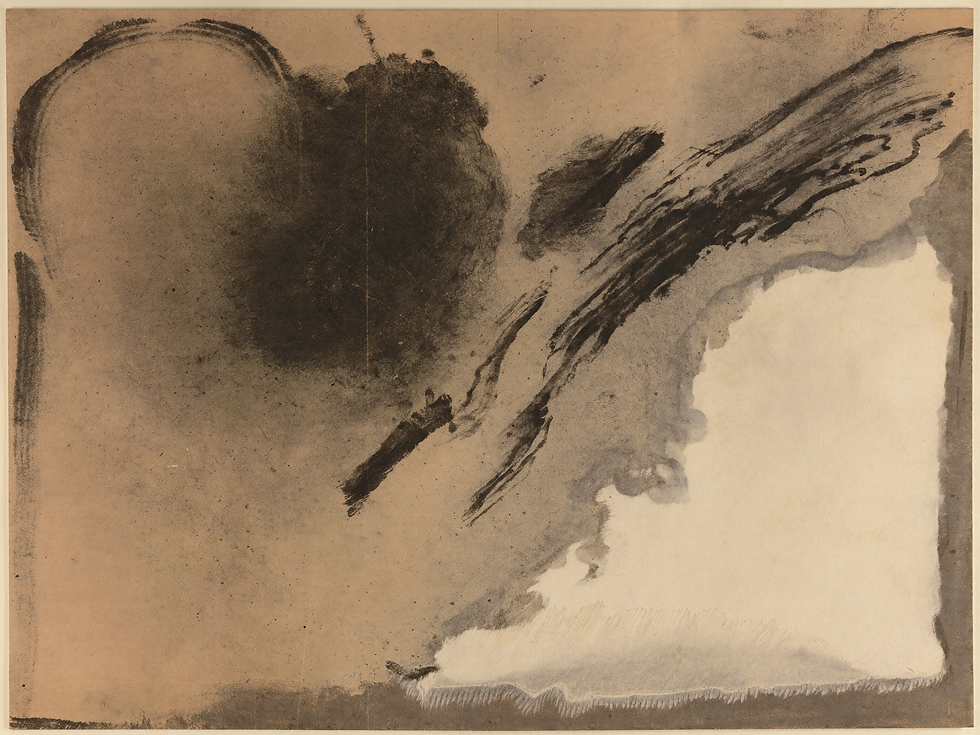
Start With Materials That Can Age
The easiest way to make a wabi sabi room feel convincing is to begin with materials rather than accessories. Limewash, soft plaster, matte wood, linen, wool, stone, clay, aged metal, woven fiber, and paper carry atmosphere before styling even starts.
These surfaces are valuable because they are not completely uniform. Light catches them differently across the day. Wood deepens, linen creases, brass darkens, plaster shows movement, and ceramic carries the hand of its maker. Those changes are not defects to hide; they are part of the room becoming more itself over time.
Mix finishes rather than making everything equally rustic. A clean contemporary sofa can feel warmer against handmade plaster. A simple oak table can make an antique bowl look less precious. The contrast keeps the room from slipping into costume.

Build a Restrained but Layered Color Palette
Wabi sabi color is often reduced to beige, but one pale neutral repeated everywhere can feel flatter than intended. A stronger approach is to use neighboring tones that share an undertone while differing in depth.
Warm ivory, mushroom, clay, oat, pale taupe, olive, weathered brown, charcoal, stone, and softened gray can all belong in the same room. Add one or two deeper notes—a walnut side table, an olive textile, a charcoal frame, or a brown ceramic vessel—so the eye has somewhere to land.
Natural light is part of the palette too. Morning light can make limewash feel cooler and more mineral; late-afternoon light pulls warmth from wood and aged metal. Before adding more decor, watch what the room already does at different hours.
Let Imperfection Stay Visible
Imperfection becomes another styling cliché when every irregular detail is deliberately manufactured. Wabi sabi feels most believable when variation comes from material, making, or ordinary use.
A handmade table may show changing grain. A ceramic vase may lean slightly. Plaster may reveal trowel marks. Linen may never sit perfectly smooth. A vintage frame may have areas where its finish has softened. One or two such surfaces usually feel more convincing than a room full of intentionally distressed objects.
Balance them with cleaner pieces. Put a handmade bowl on a simple table, an old frame on a calm wall, or a rough ceramic vessel beside a refined lamp. The point is not to reject polish; it is to stop demanding that every object share the same finish.

Use Furniture With Weight and Simplicity
Wabi sabi rooms often feel grounded because the furniture has clear, uncomplicated forms. Low sofas, solid wood tables, simple benches, substantial stools, and clean storage pieces create visual weight without ornament.
A cream linen sofa with a low oak table, a walnut console against pale plaster, or a simple upholstered bed with a weathered wood bench can be enough. Avoid filling every empty corner with a small object; fewer grounded forms usually produce more calm.
Choose Wall Art That Adds Depth Without Noise
Wall art matters because restrained rooms give every object more visual weight. Muted landscapes, distant hills, meadows, quiet still lifes, weathered botanical studies, and tonal works tend to sit naturally in wabi sabi interiors. They hold attention without constantly demanding it.
Scale matters more than quantity. One generously sized landscape above a sofa or console can create more visual rest than a cluster of many small frames. A distant horizon also gives a flat wall a sense of continuation, especially useful in compact rooms.
Natural oak frames feel light and contemporary, walnut adds depth, antique gold works when used sparingly with warm artwork, and thin black frames can give structure to very soft compositions.
A wabi sabi room does not need more objects. It needs the right objects. A soft landscape can bring distance, age, and visual rest to a wall without making the room feel decorated for effect.

Leave Intentional Breathing Room
Empty space is not a gap waiting to be filled. It is part of the composition. A console may need only one lamp, one vessel, and a small stack of books. A wall beside a large painting can remain empty. A corner can simply hold light.
When a room feels unfinished, try removing two objects before adding one. Notice what becomes stronger: the grain of the table, the texture of the wall, the painting, or the view through the window. Wabi sabi editing is less about subtraction for its own sake than making existing things easier to notice.
Bring the Look Together Without Turning It Into a Theme
The most convincing wabi sabi homes rarely announce the style. They borrow its logic rather than collecting its symbols. Ask whether an object brings a material the room needs, whether it will age well, whether it competes with the focal point, and whether you genuinely want to live with it for years.
A quiet home can include contemporary furniture, vintage art, modern lighting, books, technology, and objects from different periods. Coherence comes from material, proportion, restraint, and attention—not from making everything look deliberately rustic.

Final Thoughts
Wabi sabi home decor is less about achieving a particular look than changing the standard of what feels finished. A wrinkle can stay. Wood grain can remain visible. A wall can show the hand that plastered it. A painting can be softened by distance instead of sharpened into perfect detail.
The room can feel richer because fewer things are competing to prove their value. Choose one material, one object, or one piece of art that you genuinely want to live with for a long time, then give it enough space to matter.
Continue Reading
Continue with how to make a small room feel more collected, then read our thoughtful guide to vintage art for homes.
Begin with one honest material, one useful object, and one image you want to live with for a long time.
Words and visual direction by Havenest.


Comments