Housewarming Wall Art Gifts for a New Home
Housewarming gifts tend to land in two predictable groups: useful things the new homeowners may already own, and decorative things they may never use. Wall art sits in a more interesting middle ground. It can be personal, easy to live with, and useful in the most literal sense—it helps an unfinished room feel like someone actually lives there.
The difficult part is choosing art for another person. Taste is personal, wall space is hard to judge from memory, and a large framed piece is not always practical during a move. That does not make art a risky gift. It simply means the choice should begin with the recipient’s home and habits, rather than whatever happens to look impressive in a product photo.
This guide covers subjects, sizes, formats, framing, and presentation. It also explains when printable wall art makes more sense than a finished frame. The goal is a gift that feels considered on the day and still earns its place after the boxes are unpacked.
In This Article
First, Think About How They Live
Before choosing a painting, picture the recipient’s actual home. Do they move often? Are they furnishing a first apartment, renovating an older house, or combining two households? A renter may appreciate a flexible print that can be framed later. Someone settling into a long-term home may be ready for a larger statement piece.
Pay attention to what they already choose for themselves. Their clothing, books, saved travel photos, and favorite cafés often reveal more than a formal design label. Someone who loves old buildings and country walks may respond to a vintage landscape. A keen gardener may prefer a floral painting with stronger color and brushwork.
It also helps to know where they spend time. Art for a bedroom can be more intimate; art for a shared living room usually needs broader appeal. Entryways suit images with a clear focal point because they are seen in passing.
You do not need to diagnose their entire aesthetic. One or two reliable observations are enough. A gift chosen from real details feels personal even when the subject itself is classic.

Landscapes Are Easier to Gift Than You Might Think
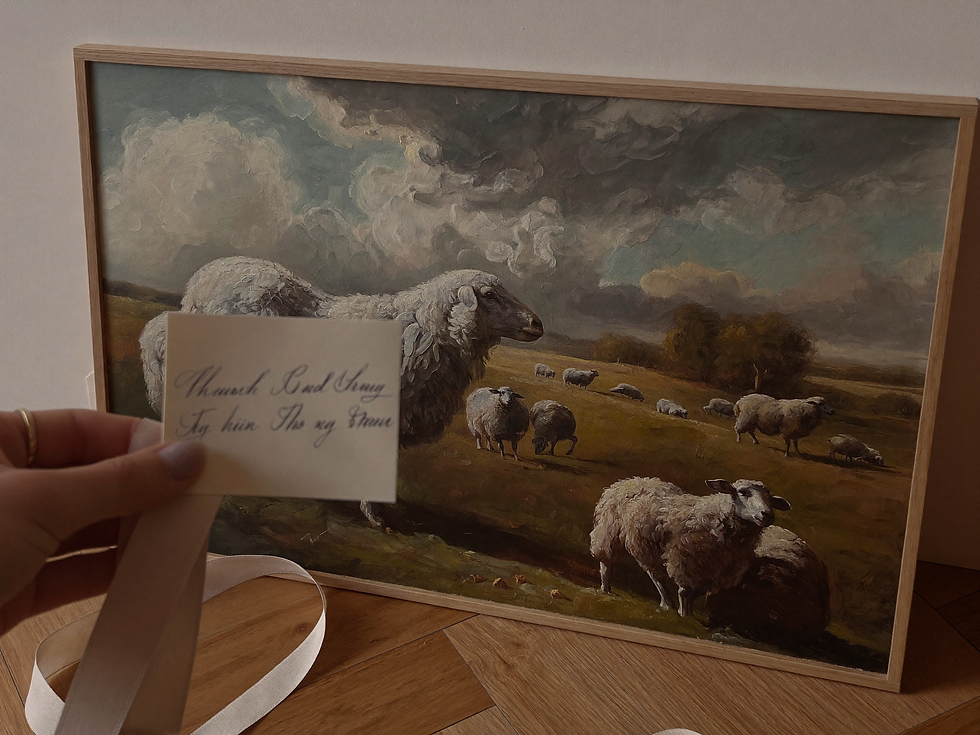
Landscape art works well as a housewarming gift because it offers atmosphere without demanding a particular interpretation. A field, coastline, wooded path, or distant hill can carry memory and mood, yet remain open enough for different people to enjoy.
Look for a palette that relates to the home rather than matching it exactly. Warm greens, umber, faded blue, and soft cream sit comfortably with common materials such as oak, walnut, linen, stone, and painted walls. The painting can introduce color while still giving the recipient options.
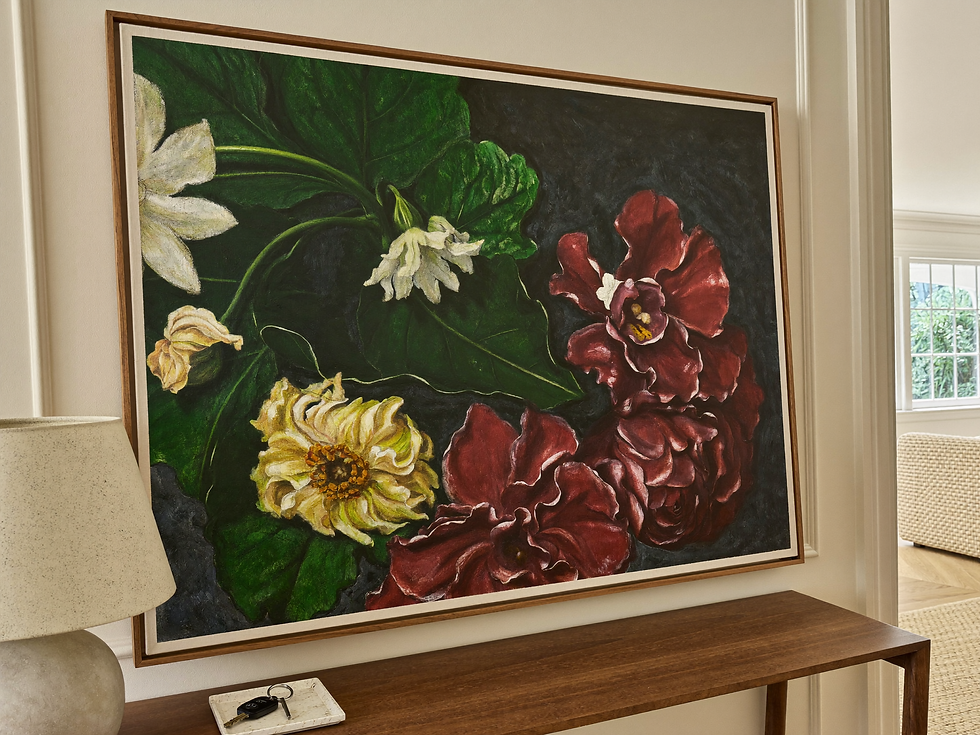
Floral still lifes are another useful choice when you know the person enjoys richer detail. They suit dining rooms, bedrooms, studies, and entryways, and they can feel celebratory without becoming tied to one holiday.

Match the Artwork to a Real Spot in the Home
A common gifting mistake is buying for an imaginary blank wall. Most homes have doors, windows, furniture, switches, and shelves competing for space. If you have seen the home, choose one plausible location and work backward from it.
For a wall above a console, a medium horizontal or vertical piece is usually manageable. Above a sofa, the artwork should have enough width to relate to the furniture. Smaller prints are easier to place on a desk, narrow hallway wall, bedside table, or within a future gallery wall.
When you cannot confirm measurements, choose a digital artwork supplied in several ratios. The recipient can print it for the wall they actually have instead of forcing a fixed frame into the room. This is particularly useful for people who have just moved and are still deciding where furniture belongs.
Mention the location in your note only as an idea, not an assignment. “I thought this might suit the wall near your dining table” feels helpful. “This belongs above your sofa” can make a gift sound like a decorating instruction.
Framed or Printable? Choose Based on the Move
A framed piece creates an immediate reveal. It works best when you know the wall size, the recipient lives nearby, and transporting the artwork is straightforward. Choose a frame that relates to the art first; a simple walnut, oak, black, or aged-gold profile will cover many interiors.
Printable wall art is often the more practical housewarming option. It arrives immediately, is easy to send across countries, and lets the recipient choose the paper, frame, and final dimensions. That flexibility matters during a move, when plans and measurements change by the week.
A digital gift should still feel complete. Provide clear printing instructions, available ratios, and a simple explanation of where the files are stored. A well-organized download is part of the product, not an administrative detail.
Presentation Matters More with Digital Art
Because the final artwork is delivered as a file, the handover deserves some thought. Print a small preview on good paper, place it in a card, or include a simple page showing the painting in a room. The recipient should understand the gift before they open a folder on a screen.
Keep the packaging polished and uncomplicated. Natural paper, a ribbon, and a short card are enough. The artwork should remain the main event. Elaborate packaging can be charming, but it should not create more waste for someone already dealing with moving boxes.
Include the practical details in a separate note: file format, print ratios, suggested paper, and the download link. This keeps the personal message personal while making the instructions easy to find later.
If you are giving the artwork in person, open the preview together and discuss possible sizes. That small conversation turns a digital file into a shared plan for the home.

A Good Note Gives the Gift a Story
The best note explains why you chose the image in one or two sentences. You might mention a trip you took together, a color they always wear, or the way the landscape reminded you of the neighborhood they have moved to.
Avoid writing a design essay for them. Art becomes more personal when the recipient has room to form their own reading. Your note can provide the first connection without deciding what the painting must mean forever.
For couples or families, acknowledge the shared home rather than addressing one person’s taste. A line such as “I hope this finds a place you both enjoy” is warmer and more tactful than presenting yourself as the unofficial interior designer.
The note is also where a housewarming gift moves beyond décor. It records the moment: a new address, a first home, a rebuilt room, or the beginning of living together.
Choose a Gift They Can Finish in Their Own Way
A successful art gift does not need to arrive completely decided. The recipient may choose a pale oak frame instead of walnut, print the work smaller than expected, or hang it in the bedroom rather than the living room. Those choices are a sign that the gift has entered their life.
When possible, give options that remain coherent: several print ratios, a high-resolution file, and guidance rather than rigid rules. Flexibility makes the gift more useful and less likely to stay unopened while the home changes around it.
The best housewarming presents are neither purely practical nor purely decorative. They help someone claim a new space. A painting can do that with surprising efficiency: one image, one wall, and suddenly the room has a point of view.


Comments