Vintage Decor Ideas: Create a Timeless Home with Wall Art
There is a reason vintage interiors never truly disappear. While trends race through our feeds, rooms with history seem to move at a gentler pace. A timeworn frame, a pastoral landscape, or a portrait with a mysterious gaze can make a newly decorated home feel as though it has been loved for generations. The most beautiful vintage decor ideas are not about recreating a museum. They are about giving modern life a little more depth, warmth, and memory.
Vintage wall art is often the easiest place to begin. It introduces color, character, and atmosphere without requiring a complete renovation. One carefully chosen piece can soften a minimalist room, give an empty wall a focal point, or quietly connect furniture collected from different eras.
Why Vintage Decor Still Feels Timeless
True vintage style is less about age than emotional resonance. It values craftsmanship, patina, softened color, and objects that appear to carry a story. This is why vintage-inspired rooms can feel both elegant and comforting: nothing looks too perfect, yet everything feels considered.
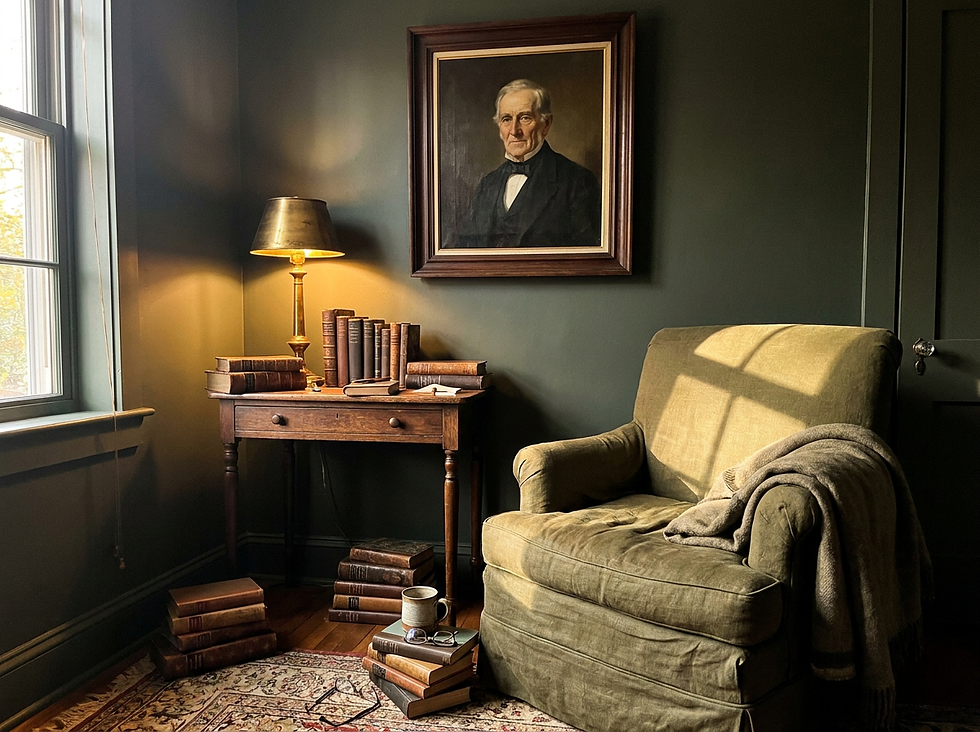
The style also works beautifully with contemporary homes. Clean-lined furniture gives an ornate painting room to breathe, while antique-inspired art brings soul to modern architecture. The contrast is what keeps the result fresh. When every item belongs to the same period, a room can feel staged; when old and new are allowed to converse, it feels personal.
Begin with a Mood, Not a Historical Period
Before choosing furniture or art, decide how you want the room to feel. Perhaps you want a serene country retreat, a moody library, a romantic European salon, or a light-filled cottage. A clear mood gives you more freedom than a strict period label and helps every choice feel connected.

Use a restrained palette as your foundation. Warm cream, faded olive, muted blue, tobacco brown, dusty rose, and antique gold all pair naturally with vintage artwork. Then build depth through materials that age gracefully: linen, dark wood, aged brass, velvet, ceramic, and woven fibers.
For a calm room, choose soft landscapes, botanicals, and pale neutral frames.
For dark academia character, look for portraits, literary scenes, deep woods, and rich brown or black frames.
For romantic vintage decor, combine florals, classical figures, faded pinks, and delicate gilded details.
For quiet luxury, use fewer pieces, larger scale, generous spacing, and beautifully finished frames.
Let Vintage Wall Art Lead the Room
Art can establish the entire visual language of a space. Choose one piece that genuinely holds your attention, then borrow two or three colors from it for cushions, books, ceramics, or flowers. This creates harmony without making the room feel overly coordinated.
Scale matters as much as style. Above a sofa, bed, console, or mantel, the artwork should feel substantial enough to anchor the furniture below it. A piece that is too small often looks accidental. If you love several smaller works, gather them into a compact gallery wall and keep spacing consistent so the collection reads as one composition.
Frames are part of the artwork's voice. Dark walnut adds warmth and gravitas; antique gold feels luminous and romantic; slim black frames create a cleaner transition into contemporary rooms. A wide mat can make a small printable artwork feel more polished and intentional.
Vintage Decor Ideas for Every Room
Living Room
Use a large landscape or classical scene above the sofa to create an immediate focal point. Repeat one shade from the artwork in a throw, lampshade, or vase. Keep surrounding decor low and simple so the painting remains the visual pause in the room.
Bedroom
Bedrooms benefit from quieter imagery: misty landscapes, botanical studies, gentle portraits, and scenes with soft light. Hang art where it can be seen from the bed, not only above it. The goal is to create a view that helps the room exhale.

Dining Room and Hallway
Dining rooms can carry bolder narrative pieces because they are places of conversation. In a hallway, a sequence of smaller works turns an overlooked passage into a miniature gallery. Use similar frames or a shared color palette to create continuity.

How to Mix Vintage and Modern Without Clutter
The secret is editing. Vintage charm does not require every surface to be filled. Give special objects space, and let modern pieces provide visual calm. A contemporary sofa beneath an old-world painting, a sculptural lamp beside a carved cabinet, or a simple dining table under a romantic gallery wall can feel far more sophisticated than a room crowded with reproductions.
Choose one dominant style and let the second style act as contrast.
Repeat colors rather than matching every material.
Vary heights and shapes, but leave some negative space.
Use warm, indirect lighting to reveal texture and soften contrasts.
Remove anything that feels merely decorative rather than meaningful.
Create a Home That Feels Collected, Not Decorated
Imagine returning home at the end of a long day. The room is quiet, the evening light touches the frame, and for a moment the landscape on the wall seems to open into another world. That small pause is the real value of art. It does not simply complete a wall; it changes the emotional temperature of the room.

A timeless home is built slowly. Begin with one image that feels strangely familiar, even if you have never seen it before. Let it guide the palette, the objects you keep, and the atmosphere you protect. Over time, the room will stop looking like a collection of purchases and begin to feel like a portrait of the person who lives there.
If you are ready to find that first piece, explore the Havenest Wall Art collection. Choose the artwork that makes you linger. The right piece rarely shouts; it simply feels as though it has been waiting for your wall.


Comments